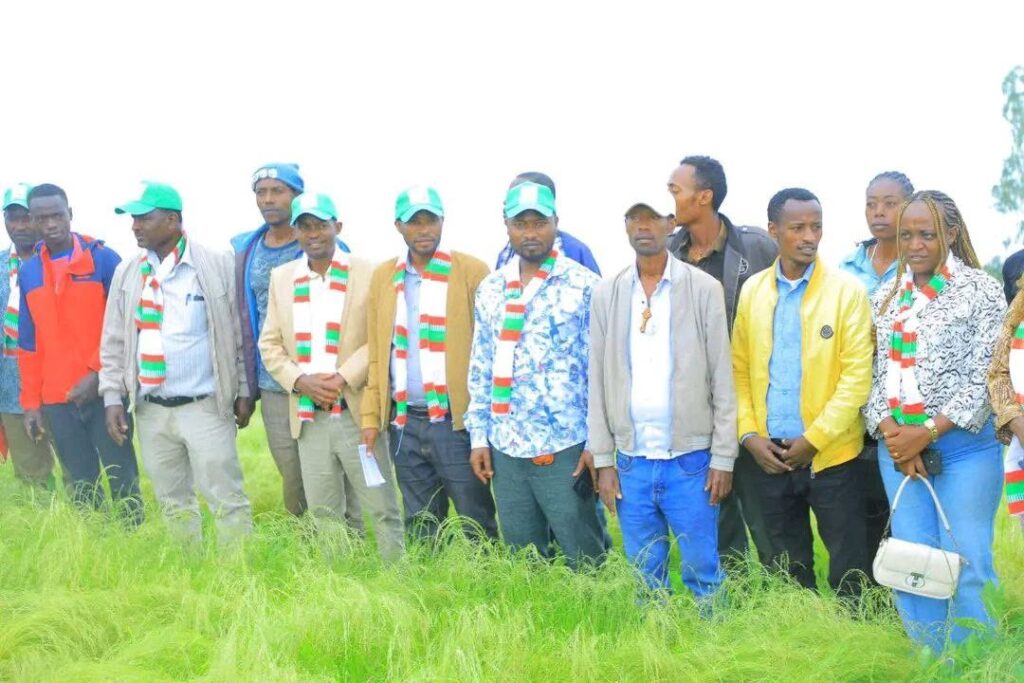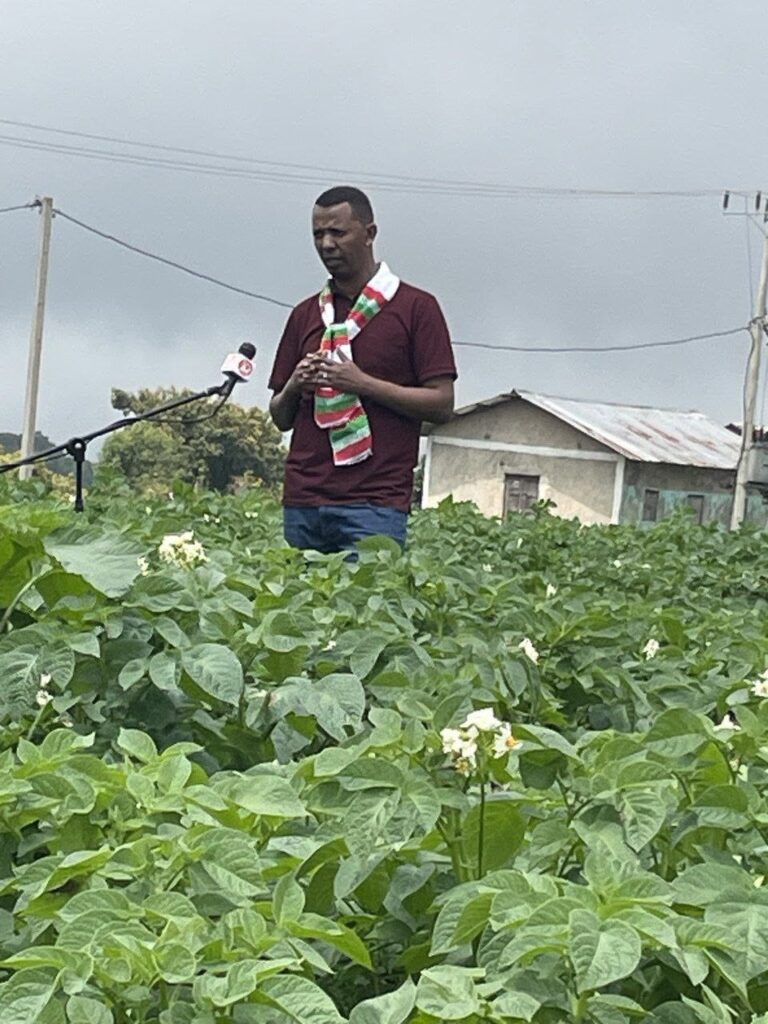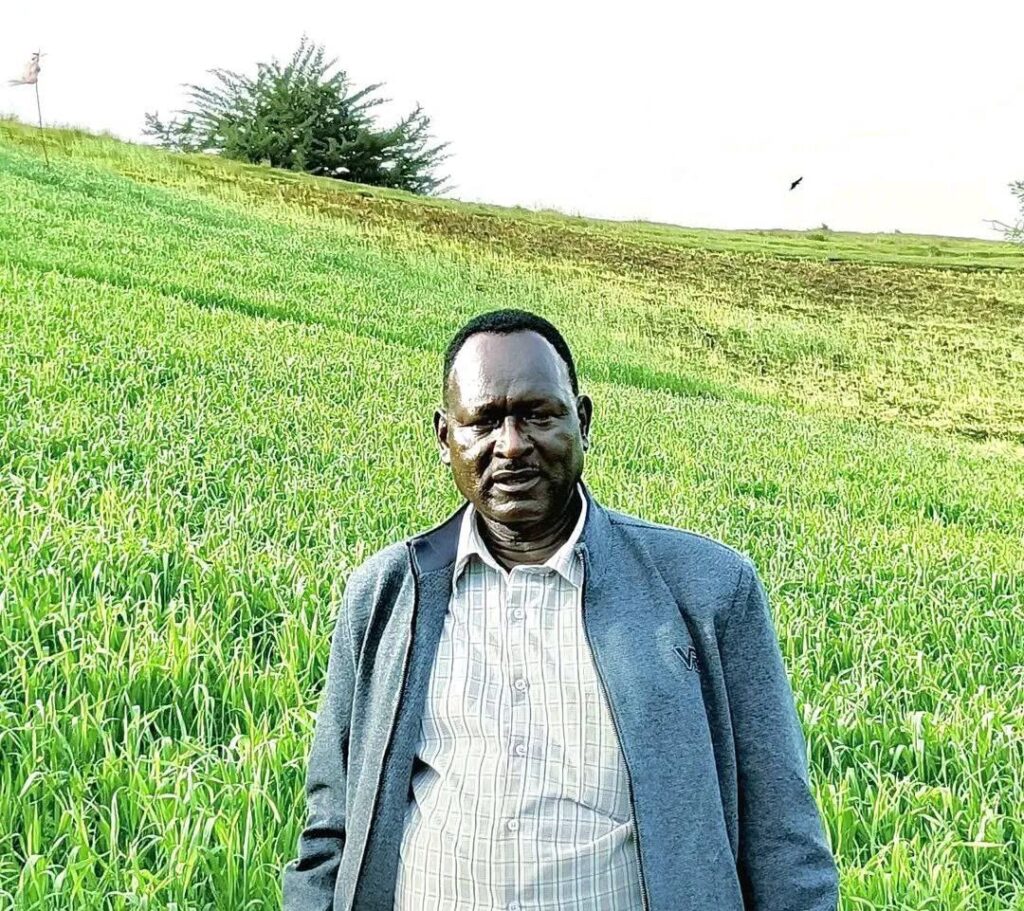
SEARI is making significant progress in scaling up community-based seed multiplication across four key zones in South Ethiopia, addressing the persistent shortage of improved seed varieties that has long constrained agricultural productivity. The initiative, which is being implemented in Gedeo, Ari, Gofa, and Basketo zones, involves training farmers in quality seed production, establishing community seed multiplication plots, and linking farmers with markets for their certified seed. By the end of November 2025, the program had already reached over 700 farming households across more than 440 hectares, producing high-quality seed of wheat, teff, barley, and other priority crops. The community-based approach ensures that seed is produced locally, reducing dependency on distant suppliers and making improved varieties more accessible and affordable for smallholder farmers.
The expansion of seed multiplication is part of SEARI’s broader strategy to strengthen seed systems across the region, building local capacity and creating sustainable seed value chains. Farmers participating in the program have received training in seed production, quality assurance, and post-harvest handling, enabling them to produce certified seed that meets national quality standards. The program is also fostering collaboration between farmers, researchers, and extension agents, creating a knowledge-sharing ecosystem that supports continuous improvement. With plans to expand to additional zones and crops in the coming seasons, SEARI is laying the foundation for a resilient, farmer-centered seed system that will enhance food security and agricultural transformation across South Ethiopia.